
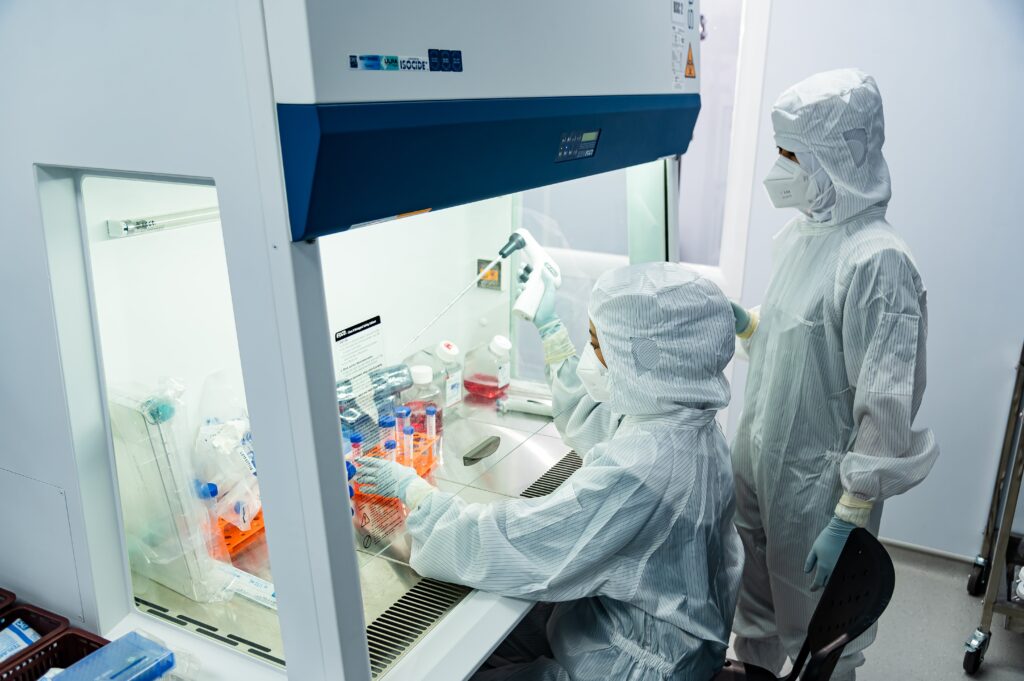
The Art and Science of Drug Design
The development of new medicines is a meticulous process that blends biology, chemistry, and cutting-edge technology. Drug design, a fundamental aspect of pharmaceutical research, involves creating compounds that interact with biological targets to treat diseases effectively. This intricate process requires precision, innovation, and a deep understanding of molecular interactions.
At Inno Therapeutics, we are at the forefront of drug design, leveraging Malaysia’s vast biodiversity to identify novel therapeutic compounds. Our goal is to contribute to the global pharmaceutical industry while championing the potential of “Buatan Malaysia” drugs.
For a deeper dive into the broader field of drug discovery, read our previous blog on Drug Discovery Research in Shaping Modern Medicine.
The Fundamentals of Drug Design
Drug design is primarily focused on two approaches: Structure-Based Drug Design (SBDD) and Ligand-Based Drug Design (LBDD). These methods help researchers create compounds that precisely target disease-related molecules.
- Structure-Based Drug Design (SBDD): Scientists use 3D models of biological targets, such as proteins, to design molecules that fit into their active sites. This approach relies heavily on computational tools and X-ray crystallography to optimize drug efficacy.
- Ligand-Based Drug Design (LBDD): When the structure of a biological target is unknown, researchers analyze known molecules that interact with the target and use this data to design new drugs.
Key Steps in Drug Design
Developing a new drug involves several critical stages, ensuring that the final product is both safe and effective:
- Target Identification and Validation – Scientists identify and validate proteins, enzymes, or receptors that play a crucial role in a disease. This ensures that targeting these molecules can lead to therapeutic benefits.
- Lead Compound Discovery – Researchers screen chemical libraries to identify potential drug candidates that bind to the target effectively.
- Optimization of Lead Compounds – Once a promising compound is found, it undergoes modifications to enhance its potency, selectivity, and safety profile.
- Preclinical Testing – Potential drugs are tested in laboratories and on animal models to assess their safety and effectiveness before moving to human trials.
- Clinical Trials – Human trials are conducted in multiple phases to evaluate the drug’s safety, efficacy, and overall therapeutic potential.
- Regulatory Approval – After successful trials, regulatory agencies such as the NPRA, FDA, or EMA review the data before granting approval for public use.
The Role of Technology in Drug Design
The field of drug design has witnessed a revolution with advancements in technology:
- Artificial Intelligence (AI) and Machine Learning: AI accelerates drug discovery by predicting molecular interactions and optimizing chemical structures.
- Computational Chemistry: Simulations help model drug-target interactions, reducing the need for extensive laboratory testing.
- High-Throughput Screening (HTS): Automation allows for the rapid testing of thousands of compounds to identify potential drugs.
- Biotechnology Innovations: Techniques like CRISPR and gene therapy enable targeted treatments tailored to individual genetic profiles.
Impact on Modern Medicine
Drug design has paved the way for groundbreaking treatments across various medical fields:
- Cancer Therapy: Precision medicine has led to targeted drugs with fewer side effects.
- Antiviral Medications: Effective treatments for diseases like HIV and COVID-19 have been developed through rational drug design.
- Neurological Disorders: Advances in neuroscience have resulted in better treatments for conditions like Alzheimer’s and Parkinson’s disease.
The Future of Drug Design
With the integration of AI, big data, and biotechnology, the future of drug design looks promising. Personalized medicine, where treatments are tailored to individual genetic profiles, will become increasingly prevalent.
At Inno Therapeutics, we remain committed to exploring Malaysia’s rich biodiversity for novel drug discoveries, ensuring that our contributions extend beyond local borders and make a mark on the international stage. By pushing the boundaries of drug design, we aim to develop innovative treatments that improve lives worldwide.
The continuous evolution of drug design is shaping a healthier future for all. Through scientific innovation and dedication, we move closer to finding new cures and improving healthcare outcomes globally.
For more insights into drug discovery and medical advancements, stay tuned to our blog for future updates!
The Art and Science of Drug Design
The development of new medicines is a meticulous process that blends biology, chemistry, and cutting-edge technology. Drug design, a fundamental aspect of pharmaceutical research, involves creating compounds that interact with biological targets to treat diseases effectively. This intricate process requires precision, innovation, and a deep understanding of molecular interactions.
At Inno Therapeutics, we are at the forefront of drug design, leveraging Malaysia’s vast biodiversity to identify novel therapeutic compounds. Our goal is to contribute to the global pharmaceutical industry while championing the potential of “Buatan Malaysia” drugs.
For a deeper dive into the broader field of drug discovery, read our previous blog on Drug Discovery Research in Shaping Modern Medicine.
The Fundamentals of Drug Design
Drug design is primarily focused on two approaches: Structure-Based Drug Design (SBDD) and Ligand-Based Drug Design (LBDD). These methods help researchers create compounds that precisely target disease-related molecules.
- Structure-Based Drug Design (SBDD): Scientists use 3D models of biological targets, such as proteins, to design molecules that fit into their active sites. This approach relies heavily on computational tools and X-ray crystallography to optimize drug efficacy.
- Ligand-Based Drug Design (LBDD): When the structure of a biological target is unknown, researchers analyze known molecules that interact with the target and use this data to design new drugs.
Key Steps in Drug Design
Developing a new drug involves several critical stages, ensuring that the final product is both safe and effective:
- Target Identification and Validation – Scientists identify and validate proteins, enzymes, or receptors that play a crucial role in a disease. This ensures that targeting these molecules can lead to therapeutic benefits.
- Lead Compound Discovery – Researchers screen chemical libraries to identify potential drug candidates that bind to the target effectively.
- Optimization of Lead Compounds – Once a promising compound is found, it undergoes modifications to enhance its potency, selectivity, and safety profile.
- Preclinical Testing – Potential drugs are tested in laboratories and on animal models to assess their safety and effectiveness before moving to human trials.
- Clinical Trials – Human trials are conducted in multiple phases to evaluate the drug’s safety, efficacy, and overall therapeutic potential.
- Regulatory Approval – After successful trials, regulatory agencies such as the NPRA, FDA, or EMA review the data before granting approval for public use.
The Role of Technology in Drug Design
The field of drug design has witnessed a revolution with advancements in technology:
- Artificial Intelligence (AI) and Machine Learning: AI accelerates drug discovery by predicting molecular interactions and optimizing chemical structures.
- Computational Chemistry: Simulations help model drug-target interactions, reducing the need for extensive laboratory testing.
- High-Throughput Screening (HTS): Automation allows for the rapid testing of thousands of compounds to identify potential drugs.
- Biotechnology Innovations: Techniques like CRISPR and gene therapy enable targeted treatments tailored to individual genetic profiles.
Impact on Modern Medicine
Drug design has paved the way for groundbreaking treatments across various medical fields:
- Cancer Therapy: Precision medicine has led to targeted drugs with fewer side effects.
- Antiviral Medications: Effective treatments for diseases like HIV and COVID-19 have been developed through rational drug design.
- Neurological Disorders: Advances in neuroscience have resulted in better treatments for conditions like Alzheimer’s and Parkinson’s disease.
The Future of Drug Design
With the integration of AI, big data, and biotechnology, the future of drug design looks promising. Personalized medicine, where treatments are tailored to individual genetic profiles, will become increasingly prevalent.
At Inno Therapeutics, we remain committed to exploring Malaysia’s rich biodiversity for novel drug discoveries, ensuring that our contributions extend beyond local borders and make a mark on the international stage. By pushing the boundaries of drug design, we aim to develop innovative treatments that improve lives worldwide.
The continuous evolution of drug design is shaping a healthier future for all. Through scientific innovation and dedication, we move closer to finding new cures and improving healthcare outcomes globally.
For more insights into drug discovery and medical advancements, stay tuned to our blog for future updates!
